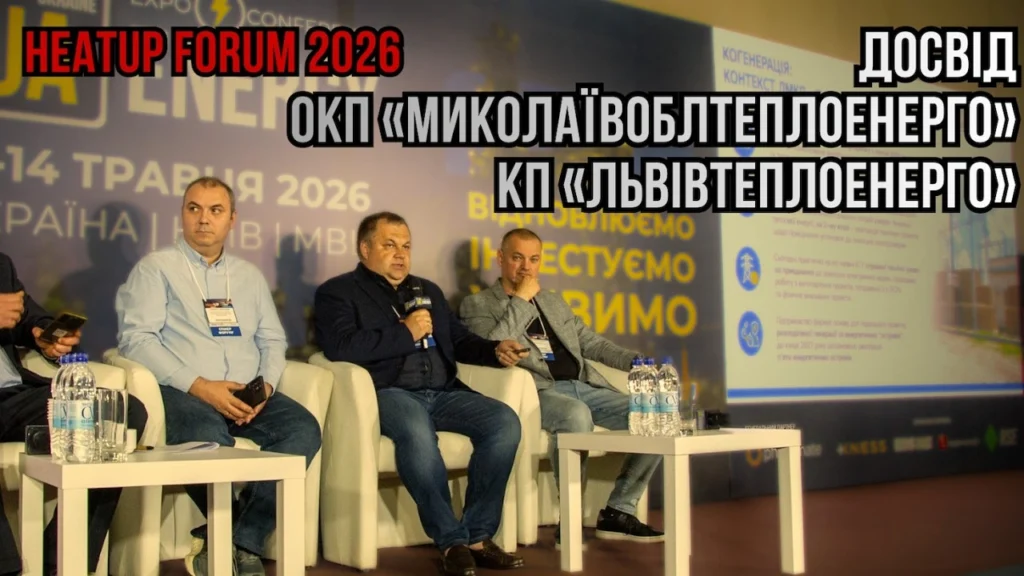


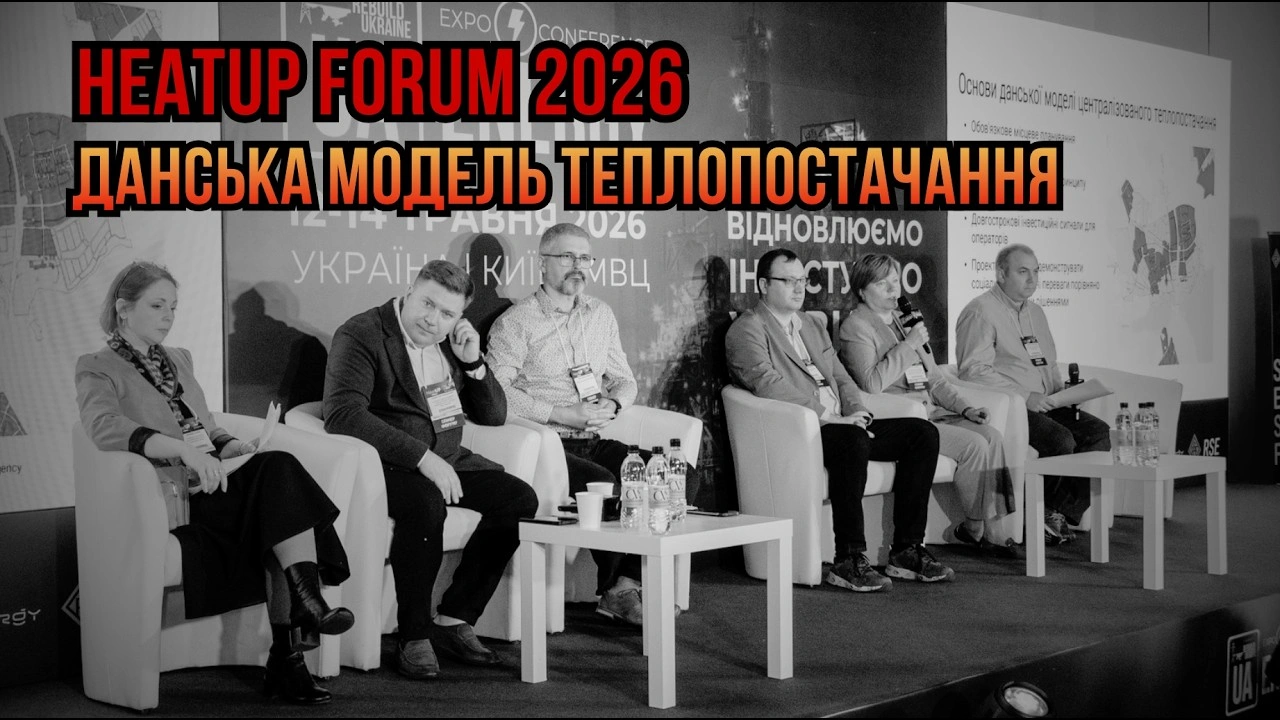
Video of the second thematic panel of HEATUP Forum 2026 on partnership with Denmark and practical modernization cases.
As participants noted, Ukraine can adopt from Denmark one of the most successful European approaches to modernizing district heating systems and ensuring communities' energy security. During the discussion of practical cases of cooperation with the Danish side, market experts particularly emphasized the key advantage of the Danish model — the stability and predictability of state energy policy, which makes it possible to implement long-term infrastructure projects without the risk of constantly changing the rules of the game.
Experts pay particular attention to Denmark's experience in transitioning from fossil fuels to alternative energy sources. While in 2010 the share of fossil fuels in the country's energy balance stood at around 66%, by 2022 it had fallen to 15%, largely thanks to the use of biomass. For Ukraine, this approach is especially relevant given its strong agricultural sector and significant potential for producing biofuel and biogas. At the same time, according to experts' estimates, gas will remain one of the priority resources for generation at least until 2050.
A separate emphasis is being placed on the development of a network-centric district heating system and the digitalization of energy infrastructure. This involves creating local energy hubs within communities, where different types of generation — thermal, modular, cogeneration, biogas, and generation from renewable energy sources — are integrated into a single system. This approach involves continuous digital monitoring of heat consumption, heat losses, and network loads. Modern software solutions make it possible not only to maintain accurate accounting but also to model optimal locations for new generation capacity, making the system more autonomous, cost-effective, and resilient to crisis challenges.
Source: YouTube