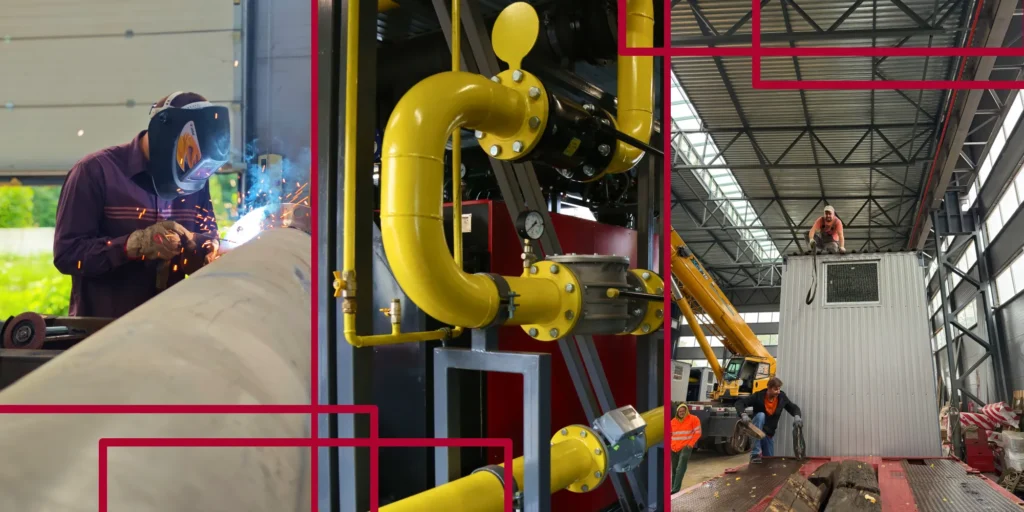



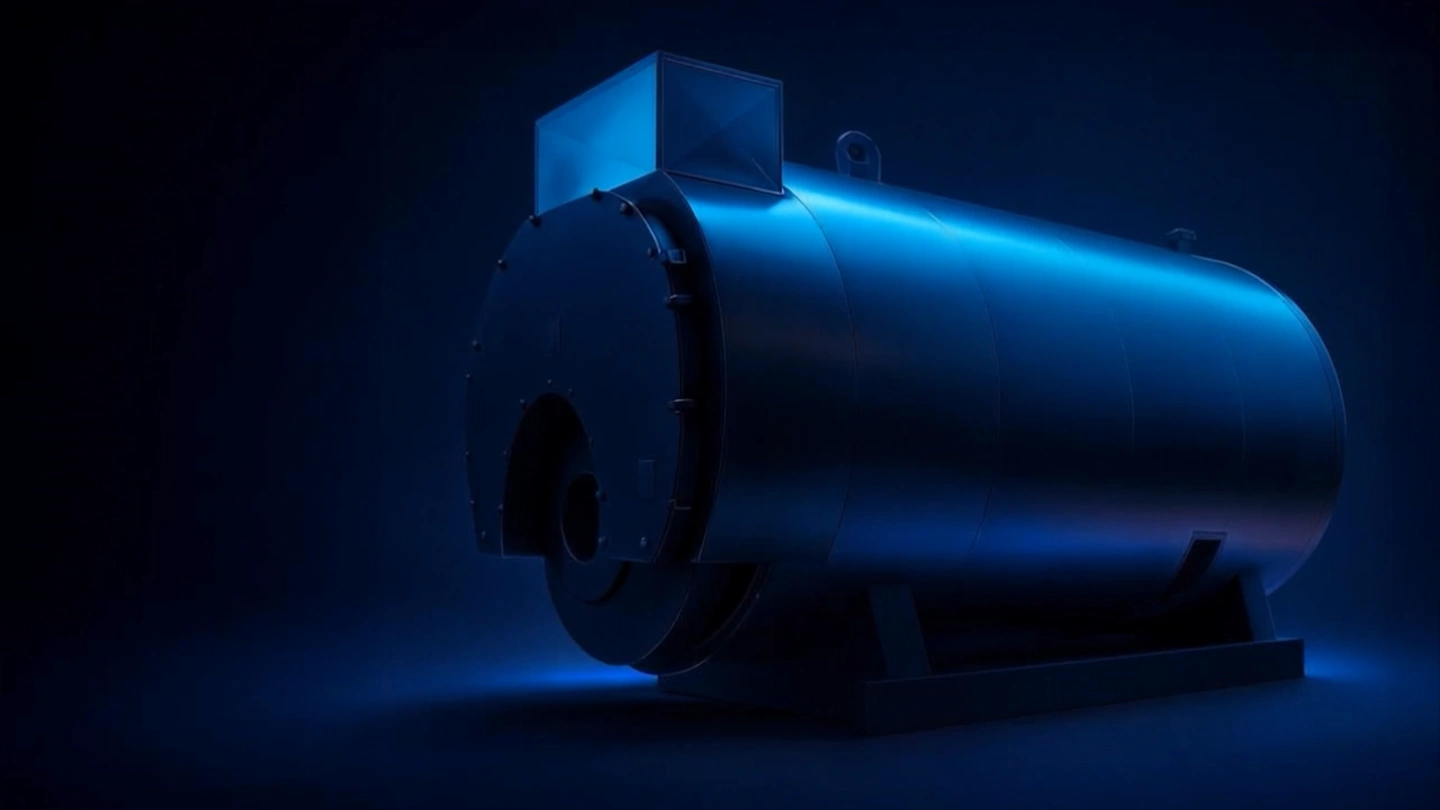
Ukraine's energy system has been under regular Russian attack for three years. In 2026, against the backdrop of record-breaking frosts, the critical situation hit the heat generation sector particularly hard. 10 degrees Celsius in the homes of Kyiv residents became commonplace.
However, 2026 may bring even more problems. Due to low temperatures and out-of-service boiler houses, much of the heating infrastructure in Kyiv and other cities is at risk of accidents that may not be repaired even before the next heating season.
The situation in Kharkiv is different. Even before the full-scale invasion began, they started building an extensive heat generation system - dozens of small boiler houses located right next to residential buildings. Mykolaiv is ready to launch such a system in the near future.
Thus, in cities that have thought about the risks in advance, the emergency situation can be controlled and, most importantly, there is no fear of the next heating season.
EP talked to a member of the board of Kolvi, a manufacturer of distributed heat generation equipment“ By Alexander Kroshka, to study the experience of Kharkiv and Mykolaiv and find out whether Kyiv can save its heating infrastructure.
About the current situation
- On the day we are talking, about six thousand houses are without water and heating. People will have a question: can your mobile boiler house be installed to provide heating for a 16-storey building?
- It is not only possible, but it is necessary. There are two options: either routinely, with preparation and planning, or urgently, to simply save the system. If there is no electricity for up to a month, it will be difficult, but not a disaster. But if there is no heat at -22 below zero for a couple of days, all elements of the heating system may freeze. Then it will be necessary to “dig up” and cut out parts of the heating networks. That is, what can be seen in individual houses, when internal networks crack due to water expansion, can occur on the scale of the entire settlement.
These are enormous costs. If a boiler room costs a million hryvnias, then repairing the entire system can cost 10 or 20 million. And the main thing is that if we don't have time to restore everything during the summer, we won't be ready for the next winter.
- The emergency situation is already ongoing. How is the system being saved now?
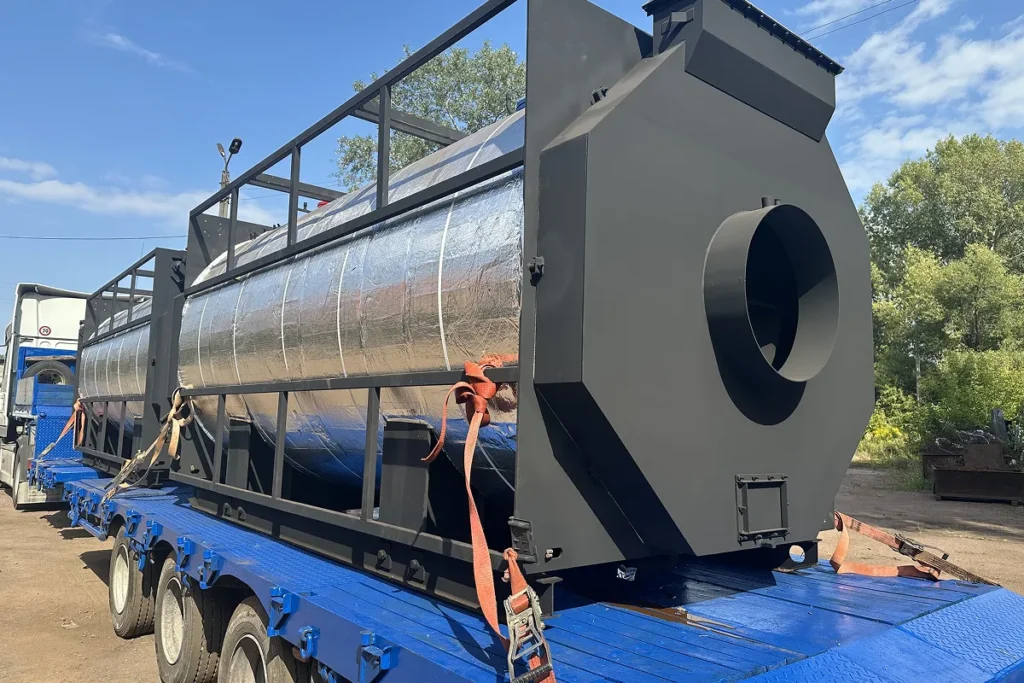
- We have the experience of 2022, when we dealt with such accidents locally in Irpin, Kyiv region. We made a boiler room on wheels and on wood. It does not even come off the trailer and can support the system in an emergency. If there is not enough coverage area, mobile boiler houses can be placed in a row, and we have various solutions for emergency situations.
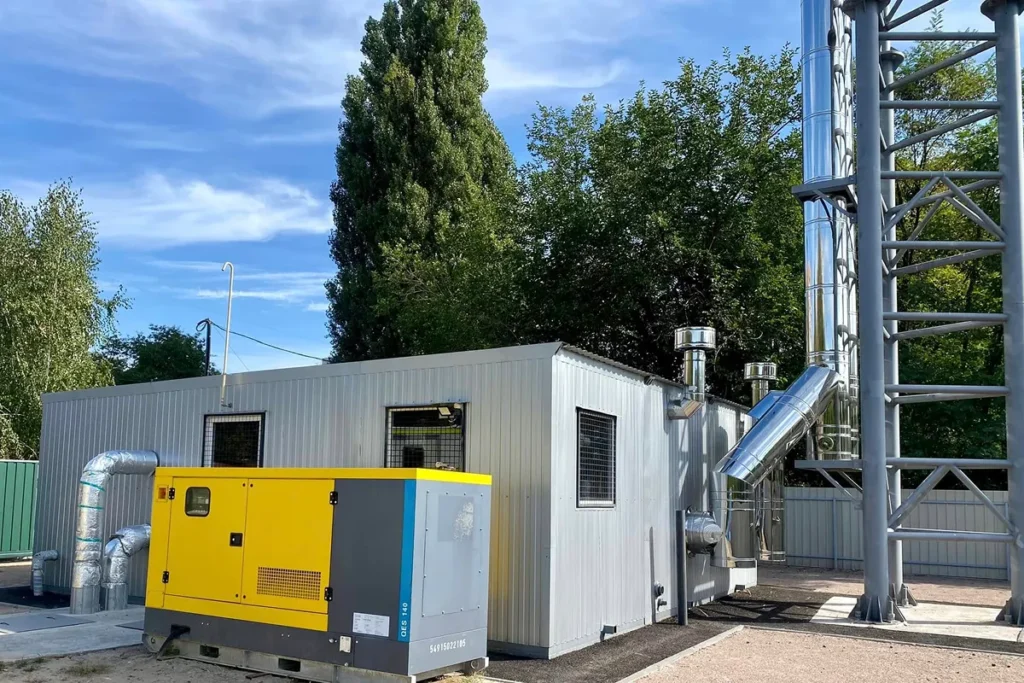
But this story doesn't work if the system is already frozen, in which case we can't help. With the recent frosts, I'm sure there are already local consequences, the main thing is that they do not become global.
- What does this process look like in practice in an emergency, i.e. how does it work technically?
- We contact the person responsible for the building's heating infrastructure and determine the characteristics of the area where support is needed. Then we select the necessary emergency boiler room.
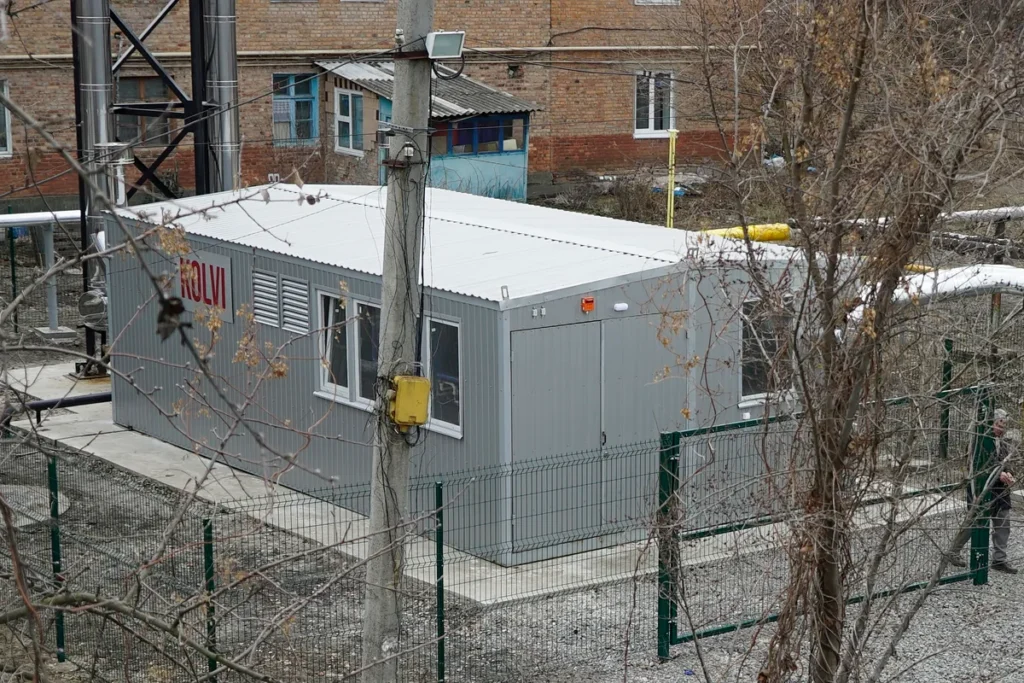
Usually, a 100-200 kilowatt boiler house can save the day. However, we are not talking about a comfortable temperature, but about saving the system until summer.
It is surprising that we, as the largest manufacturer of the relevant equipment, have not been approached by anyone from Kyiv about our capabilities: how many, what equipment we have, how quickly we can install it.
- So how quickly can a boiler house be installed and heat a 16-story building in Troyeshchyna?
- Again, I will return to practical experience, not theoretical. Where emergency entrances have been prepared, which we can connect to if they have been prepared since the summer, installation takes about an hour, and heat is supplied in two hours.
- What if emergency exits are not prepared?
- A little less than a day. In the worst case scenario, we can bring in solid fuel boilers, put them outside, just smoke them and provide heat, but they will be inoperable in a couple of weeks.
With a boiler costing a million hryvnias, it can save a system that would cost 100 million to repair, so I think it's reasonable. Then the boiler can be sold for scrap and three hundred thousand hryvnias can be collected. There are options, but people are afraid to talk about them and ask.
- Why are they afraid?
- They do not want to take responsibility. Those who did are criminally liable, if not technically, then criminally.
Those who take on this responsibility are the guys with the balls, and they are few and far between. In Kharkiv, for example, such people saved the city by starting to build boiler houses when it was warm, not cold.
- Do you have enough orders now?
- Usually, they are enough before the frost, when it gets close to 0 degrees. Now we are doing more service work and preparing for the next heating season.
- Are gas boilers the basis of your production?
- Core business. We manufacture heat-generating equipment, and we adapt to the customer's needs as to which fuel is used. We can work on solid fuels and all kinds of waste. Currently, the most optimal equipment is gas-fired, which is why it is produced in the largest quantity.
- How many boilers do you produce per month?
- It is more correct to measure in terms of thermal power. Today we produce up to 100 megawatts per month.

- How do your boiler houses differ from the thermal power plants that are being actively targeted by the Russians?
- Our plants are aimed at generating thermal energy with an efficiency of at least 96%. This means that the product is burned efficiently and is delivered to the heating network without losses. They are mobile and can be located anywhere.

- Suppose there are problems with gas supply due to enemy attacks, how easy is it to convert your plant to solid fuel?
- Boilers that run on both solid fuel and gas at the same time are banned worldwide. At the same time, almost any boiler can be converted. The actual transformation time is a day or two.
About the successful experience of Kharkiv
- How did you start working with Kharkiv?
- The city authorities signed a loan agreement with the bank. The bank carried out procurement, control, and commissioning of facilities. Kharkiv managed to do some of the work before the full-scale invasion.
- How did you plan to install the boilers in Kharkiv and how can this experience be transferred to Kyiv and other cities?
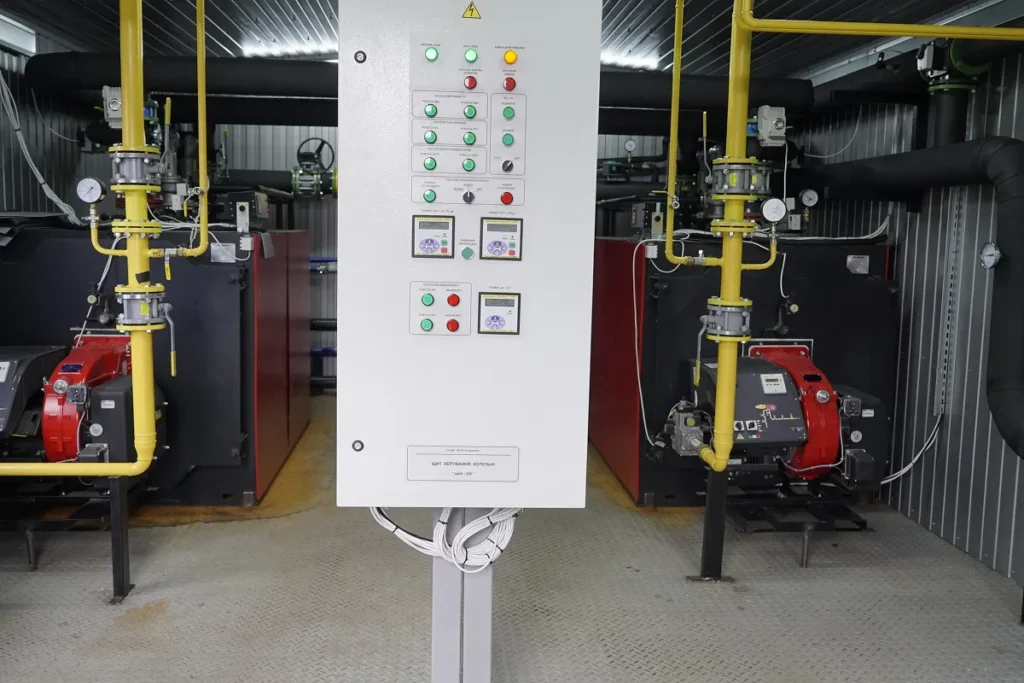
- We take a map of the heating networks and specialists look at it and decide where to put the boiler houses. Two or three teams then go and decide whether the location is suitable - it's a technical and architectural issue, there are certain buildings or objects that can only be seen visually on the ground. Then the city decides on the final location.
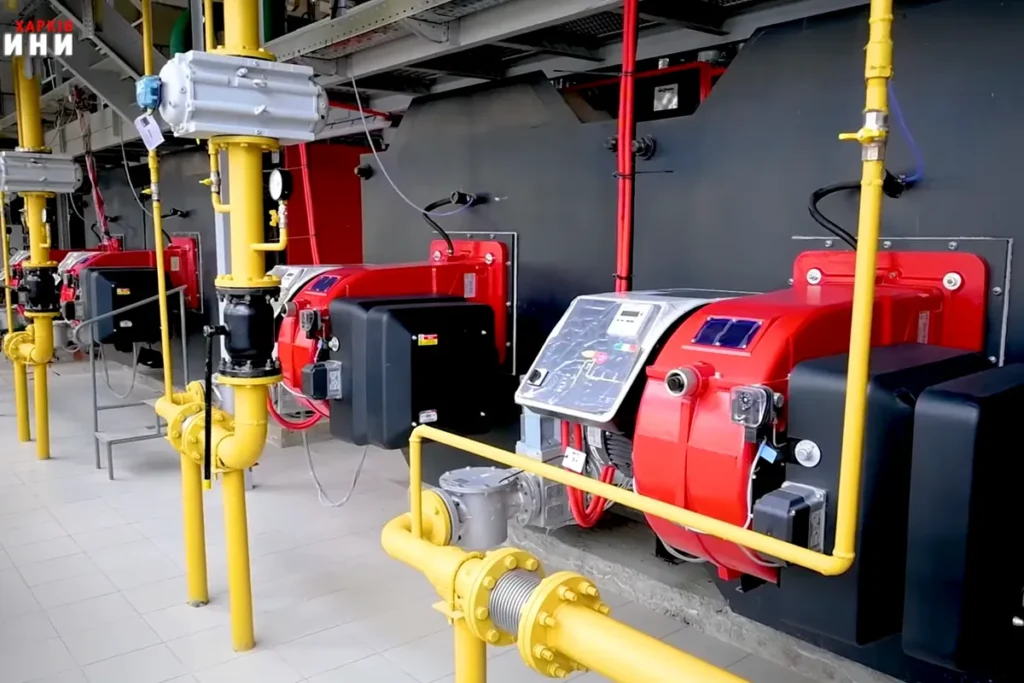
This is how decentralized heat generation by small boiler houses is formed, while large thermal power plants remain as an emergency source of energy, i.e. two sources exist in parallel.
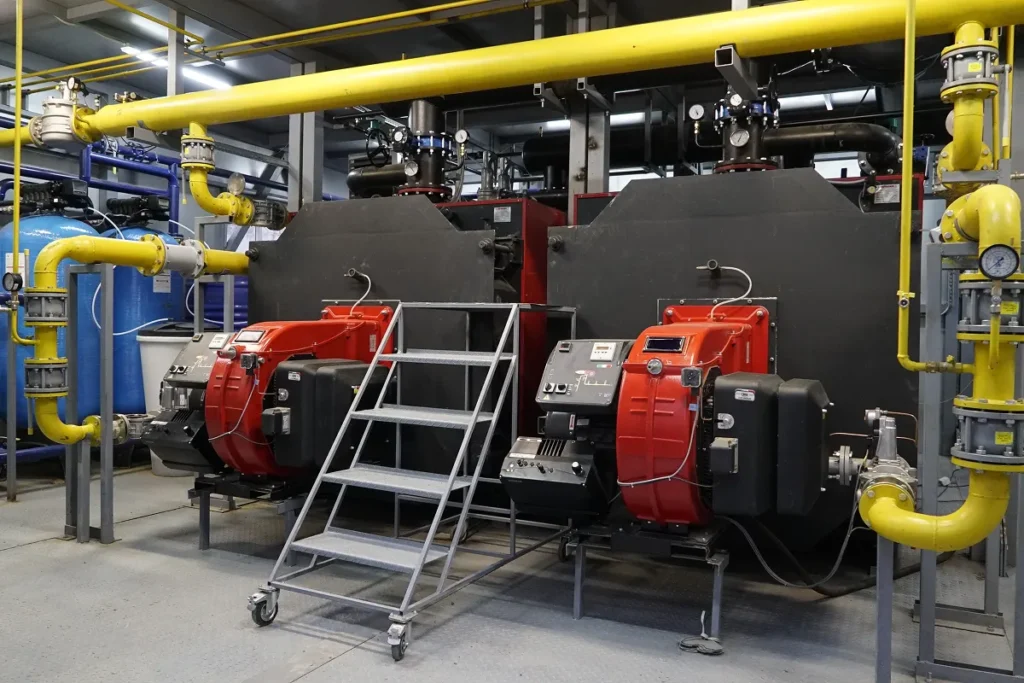
Kharkiv started this transition to save fuel. Smaller boiler houses closer to consumers mean gas savings. There is no loss of coolant temperature during transportation over long distances. The city authorities say that at certain facilities, the savings are 30% over three years.
With the Russian invasion, we realized that decentralized generation is also about security. At the same time, since 2022, no one has begun to move in this direction, not just Kyiv. Despite the fact that I personally took the heads of heating networks, in particular from Zaporizhzhia to my Kharkiv colleague, and set an example.
- What is the result?
- I wasted time and fuel, and nothing has changed globally.
- Which cities other than Kharkiv are installing decentralized heat generation?
- Mykolaiv. They are ready to launch the units in emergency mode in a day, but they want to do everything as planned.
- How much of Kharkiv's heat needs are met by decentralized generation?
- Kharkiv is under heavy shelling, but it has never led to a catastrophe, so we are adequately supplied.
- Are there any problems with heating?
- Kharkiv is under heavy shelling, but it has never led to a catastrophe, so we are adequately supplied.
- Are there any problems with heating?
- Even if they arise, they are solved by switching from small to large boilers and vice versa.

- Is there at least one of your installations in Kyiv?
- Of course. The center has had roof boilers in high-rise buildings for decades.
- Were there any initiatives from the authorities?
- Again, there was no global demand. Over the past three years, we have built units for hospitals or educational institutions on a case-by-case basis, but this was the decision of the heads of these institutions.
- Why are the situations in Kharkiv and Kyiv so different?
- Fear of responsibility. Everyone knew that it was necessary, but they were careless about it.
- If Klitschko calls you tomorrow and asks you to provide Kyiv with decentralized generation, will you be able to do anything before the next heating season?
- It will be difficult to do this in a planned way, and it may be possible to do it in an emergency, but we need to start now. We need a technical decision on the number and location of boilers, we need to understand the source of funding in a week, and sign contracts for design and production in a month. Equipment for production needs to be purchased now - components, etc.
Under this scenario, Kyiv could receive a new decentralized heat generation system by October.
- How many boilers will cover the needs of Kyiv?
- Fifty to seventy 30-megawatt boilers, but you need to have a lot of data for an accurate calculation.
- What is the approximate size of such a boiler?
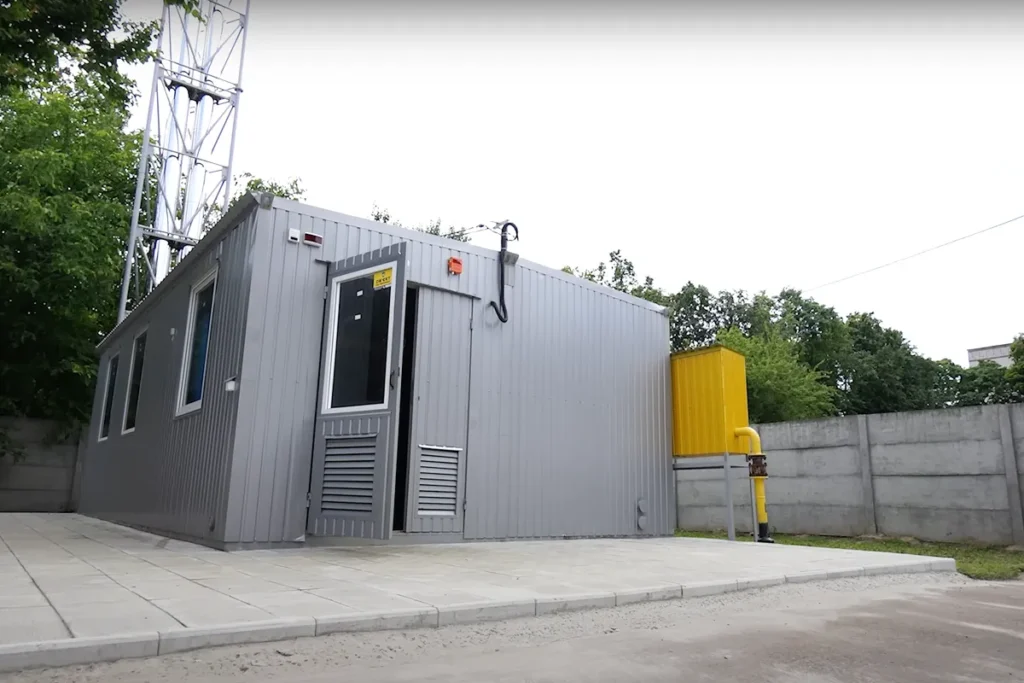
- It can be compared to four sea containers.
About the business
- How do you work with the state?
- It's a bit difficult. We are cheaper than foreign suppliers, but we still have a headache, just like all domestic enterprises. I think there should be clear rules for earning money for the kind of equipment we produce. Tell us what margin we can earn, so that there are no unnecessary questions and we don't have to “come to us”.

- Who are your potential clients besides government agencies?
- These are developers, the food industry, and metallurgy. Heating is needed not only by households, but also by production facilities, factories, and even supermarkets that you visit as a consumer. All these businesses count money and save costs, so they have long been trying to abandon centralized supply.
- Where can Kropyvnytskyi get funds for decentralized heating?
- I am sure that the issue of funds is within the scope of efforts. It can be loans, subventions from the state budget or grants.
- Are there any state programs for heat generation now?
- There is no single “pill”. Mykolaiv seems to have been financed from the reserve fund, while Kharkiv raised funds in a combination of grants, state funds, and local funds.
- What about lending by domestic commercial banks? Do district heating companies take out loans?
- Yes, but in a small amount. The cost of funds in Ukrainian private banks is high, so they charge less than in European banks, if possible.
- How much will gas consumption increase if all regional centers switch to your systems?
- We are decentralizing heat generation; all cities are already using gas. Therefore, consumption will not increase, but only decrease. By reducing losses in networks and ensuring high efficiency, transportable modular boiler houses can save 30 percent or more of the resource itself, i.e. gas.
- But what if there are no coal and fuel oil-fired thermal power plants?
- The deficit of coal and fuel oil-fired thermal power plants can be compensated for by savings from reducing the heat transmission line.
- What will happen to heating tariffs in Kyiv with the transition to decentralized generation?
- The tariff should not be higher, because in the end, there will be gas savings. Understand that decentralized generation pays off the investment in almost three years, and then the savings do not cover the investment. Actually, there is another side to it: how we will calculate the cost of gas for the needs of district heating companies and what the hryvnia to euro exchange rate will be.
- In a couple of weeks it will warm up. Let's imagine that the government leaves everything as it is, what will happen in Kyiv next winter?
- I think there will be movements because everyone has seen the consequences of the lack of decentralized heat generation. We are preparing to produce not 100 megawatts per month, but 200-300 in anticipation of growing demand.
Source: Ekonomichna Pravda