


Ukrainian manufacturers of heat-generating equipment are increasingly forced to work without long-term contracts, taking the risks upon themselves. Some enterprises are already launching production "for stock," without guarantees of future demand.
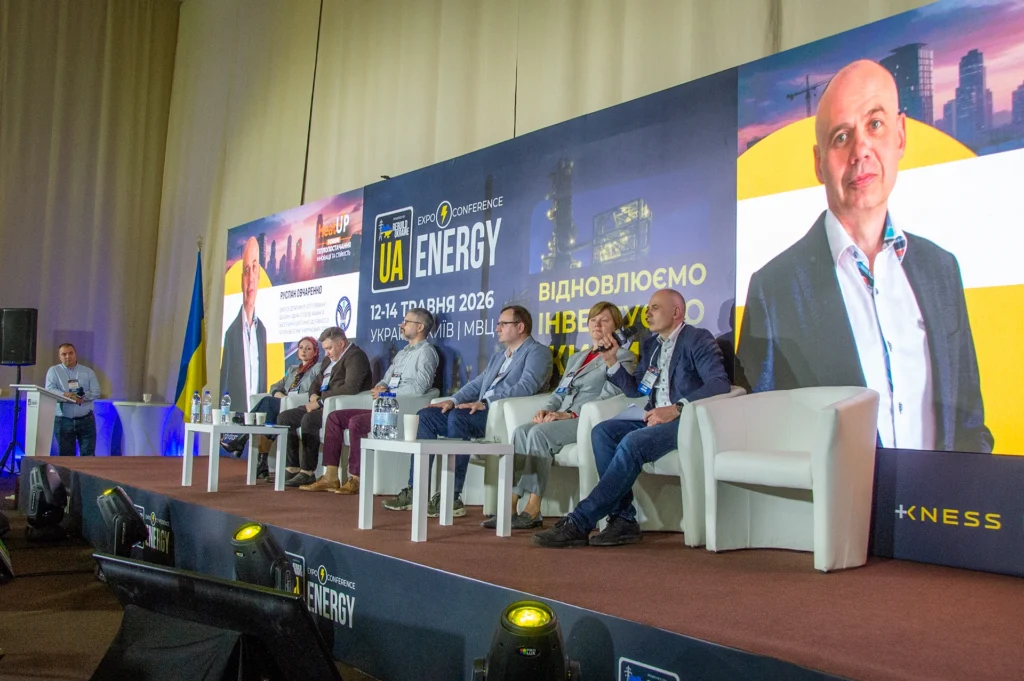
This was stated by Oleksandr Kroshka, board member of Kolvi, a manufacturer of heat-generating equipment.
According to him, the key problem remains the absence of a systematic dialogue between the state and national manufacturers. Without a clear understanding of volumes and needs — who can produce what, where, and how much — it is impossible to effectively plan preparation for the heating season.
"If there were this understanding, it would be possible to build up stockpiles in advance and not lose time," Kroshka notes.
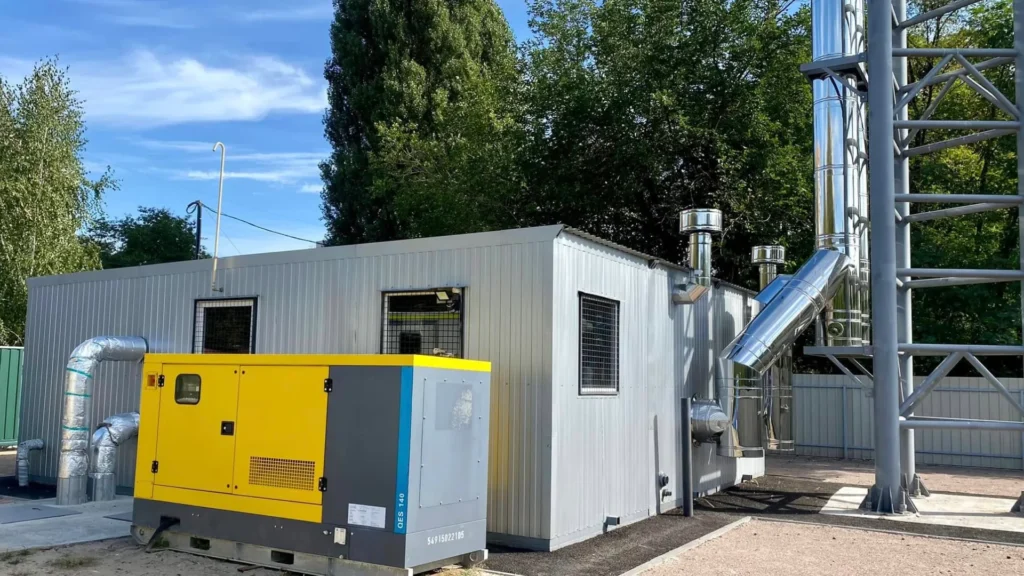
Against this backdrop, manufacturers are searching for new approaches to organizing heat supply. One of them is a modular boiler house model, which involves creating systems from standard interchangeable blocks.
This is about the "construction set" principle, where the key element — the boiler — can be replaced in 2–3 hours regardless of the region. Such a system makes it possible not only to respond quickly to breakdowns, but also to flexibly manage resources between cities.
In particular, if the load decreases in one region, the modules can be temporarily relocated to another where the situation is critical. In effect, this creates a network of mutual support between cities.
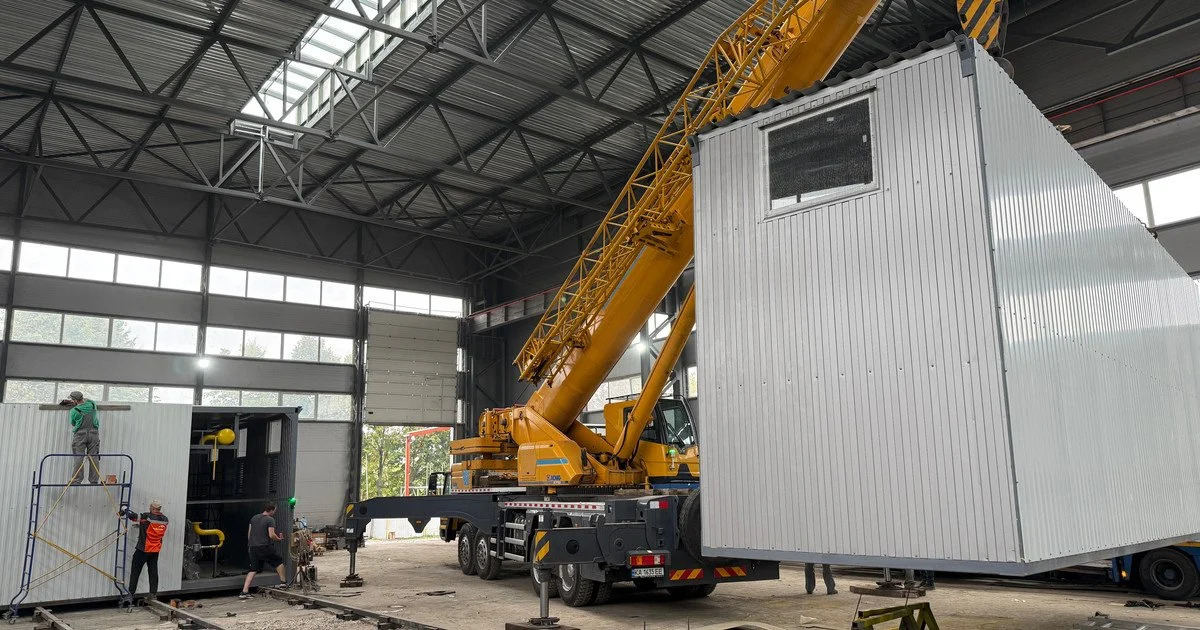
As a basic standard, the company considers modules with a capacity of about 4 MW, which are optimal for transportation and rapid installation. Large boiler houses can be assembled from several such blocks.
Despite the absence of systematic orders, some manufacturers are already producing such solutions in advance — at their own risk, so that they can be quickly put into operation if needed.
Kroshka also draws attention to the experience of previous heating crises. According to him, the mere availability of emergency boiler houses does not in itself guarantee effectiveness.
"The issue is not the amount of equipment, but its actual use. The system was held together by engineers who manually rebuilt the networks," he notes.
In his view, the future of heat supply lies in stationary yet modular systems that can be quickly scaled, relocated, and adapted to crisis conditions.
The manufacturer emphasizes: without coordination between the state and manufacturers, even the existing production capacities are not used to their full extent, which creates risks for getting through the heating seasons in a stable manner.
Source: TSN